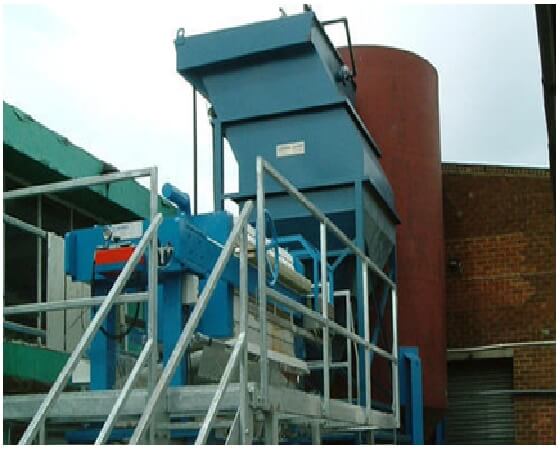
An industrial filter press is a tool used in Separation Process, specifically to separate solids and liquids. The process uses the principle of pressure drive provided by a Slurry Pump. Among other uses, filter presses are utilized in marble factories in order to separate water from mud in order to reuse the water during the marble cutting process.
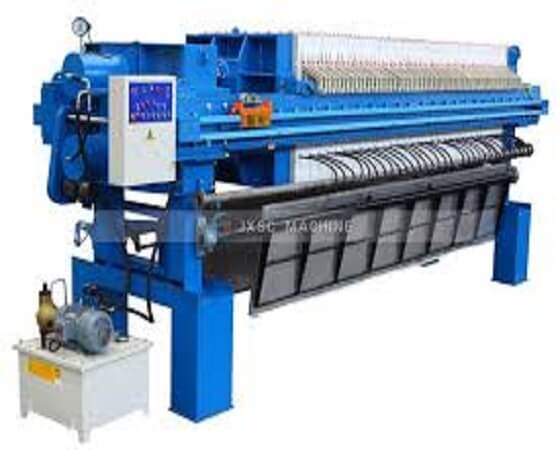
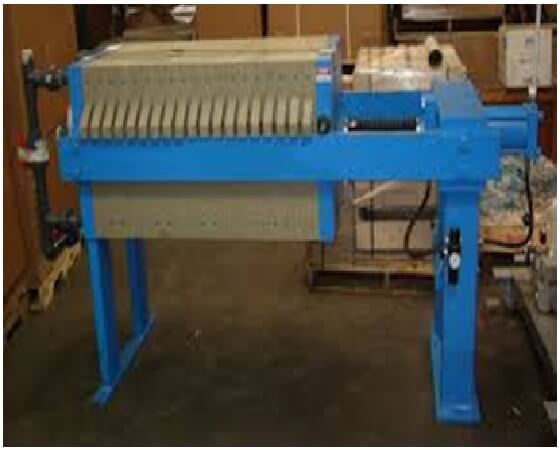
Installed Industrial Press Filtration in MYLAN LABORATORIES Banglore, and LUK INDIA Pvt Ltd. SCHAFFLER GROUP, Hosur.
Generally, the slurry that will be separated is injected into the center of the press and each chamber of the press is filled. Optimal filling time will ensure the last chamber of the press is loaded before the mud in the first chamber begins to cake. As the chambers fill, pressure inside the system will increase due to the formation of thick sludge. Then, the liquid is strained through filter cloths by force using pressurized air, but the use of water could be more cost-efficient in certain cases, such as if water was re-used from a previous process.
It has multi-stage purification process of RO+UV+UF+TDS+Carbon Filter+Alkaline Filter. Demineralization by ionization also helps in removing the impurities, brackishness of water but maintains the taste and minerals of water. It is ideal for usage in homes, offices, factories, etc.
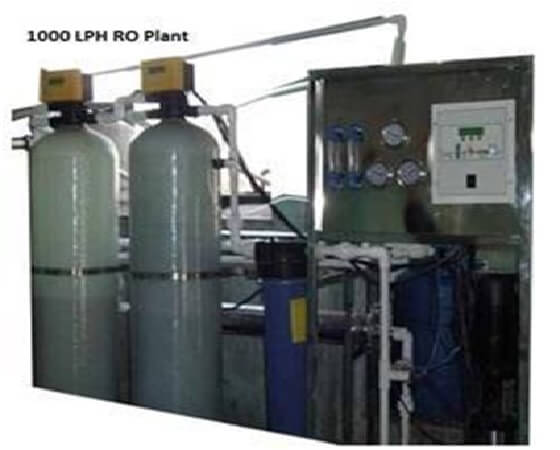
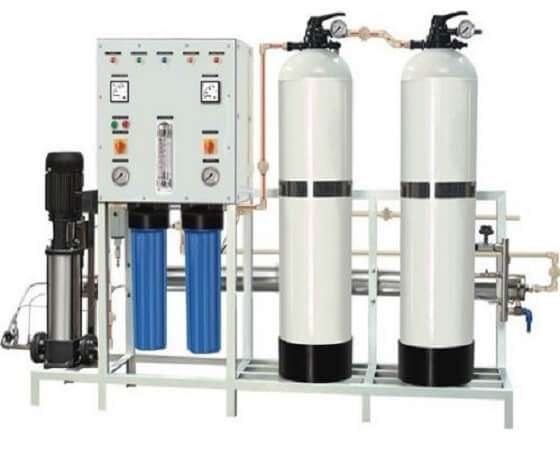
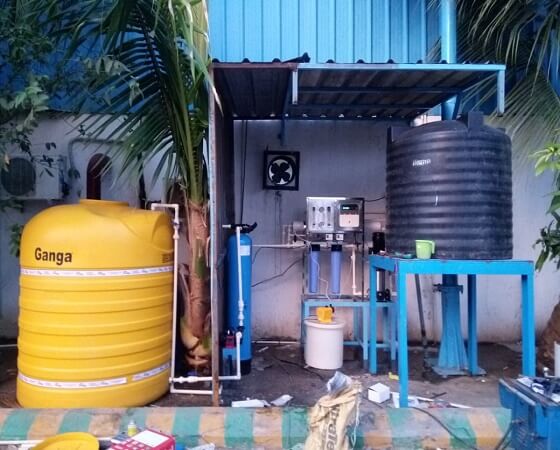
LPH Process RO Plant Installed at BEX ENGINEERING Pvt. Ltd BANGLORE
Water treatment Plant with 1000 liter per hour flow rate is recommended for Industries and corporate offices. It is small mineral water plant at your premises. The Various industrial water demand for their point of use requirement. It is very affordable and low operating cost.
Packaged drinking water uses water from any source which has to be treated and disinfected, a process that could involve filtration, UV or ozone treatment or reverse osmosis (RO) before it is fit for human consumption.
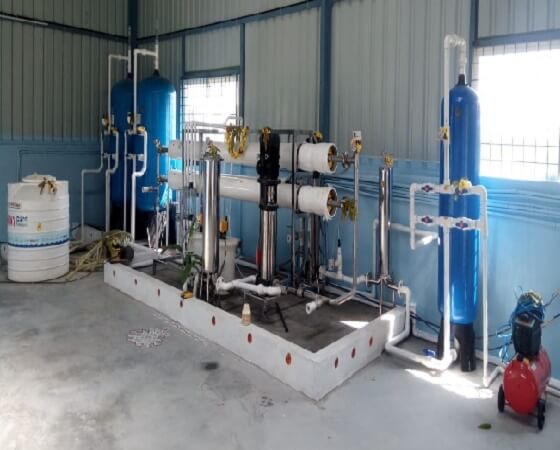
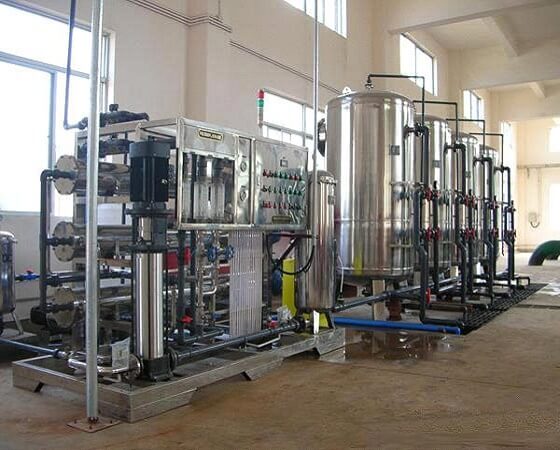
Packaged Drinking Water Plant (Shree Minerals) @ Tuticorin
To match pace with these packaged drinking water trends, we have uplifted our solution standards. We now focus on understanding new trends of water plant setup. Bringing new and groundbreaking technology for our clients is our central goal.
Effluent Treatment Plants (ETP)
The ETP plants use evaporation and drying methods, and other auxiliary techniques such as centrifuging, filtration, incineration for chemical processing and effluent treatment. The treatment of effluents is essential to prevent pollution of the receiving water.
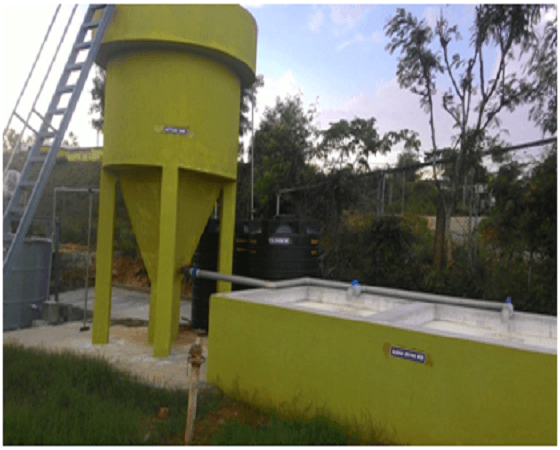
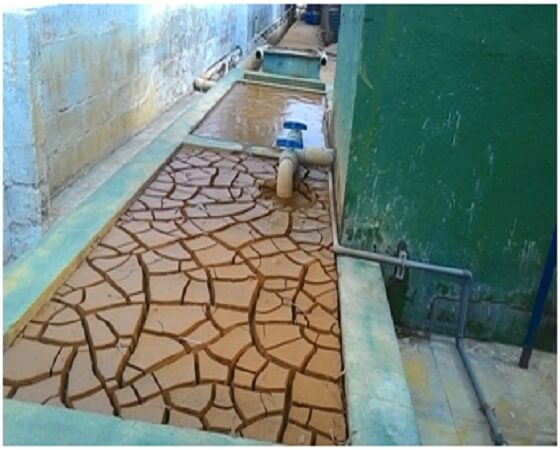
Effluent Treatment Plants or (ETPs) are used by leading companies in the pharmaceutical and chemical industry to purify water and remove any toxic and non-toxic materials or chemicals from it. These plants are used by all companies for environment protection.
An ETP is a plant where the treatment of industrial effluents and waste waters is done. The ETP plants are used widely in the industrial sector, for example, the pharmaceutical industry, to remove the effluents from the bulk drugs.
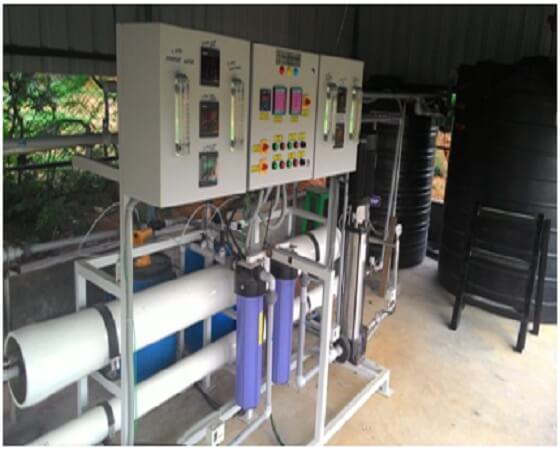
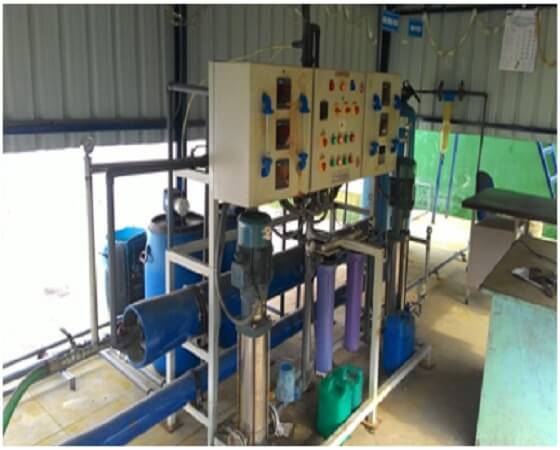
LPH RO Plant
Plant Design Basis and Conditions :
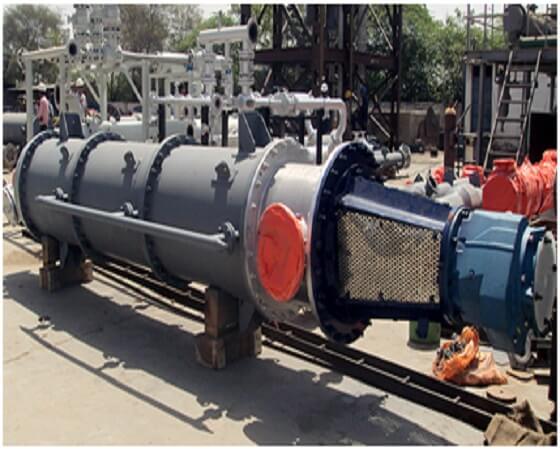
A multiple–effect evaporator, as defined in chemical engineering, is an apparatus for efficiently using the heat from steam to evaporate water. In a multiple–effect evaporator, water is boiled in a sequence of vessels, each held at a lower pressure than the last. Because the boiling temperature of water decreases as pressure decreases, the vapor boiled off in one vessel can be used to heat the next, and only the first vessel (at the highest pressure) requires an external source of heat. While in theory, evaporators may be built with an arbitrarily large number of stages, evaporators with more than four stages are rarely practical except in systems where the liquor is the desired product such as in chemical recovery systems where up to seven effects are used.
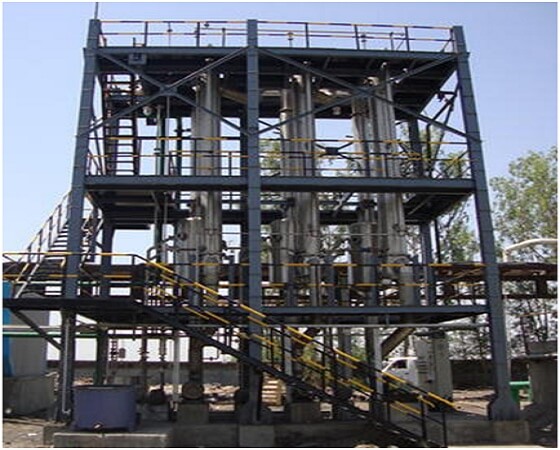
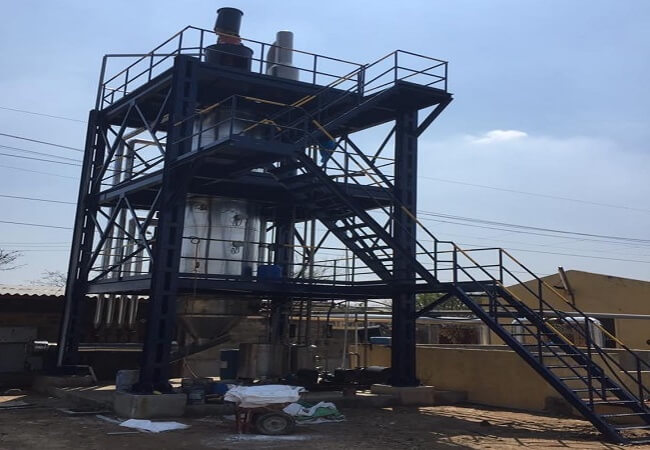
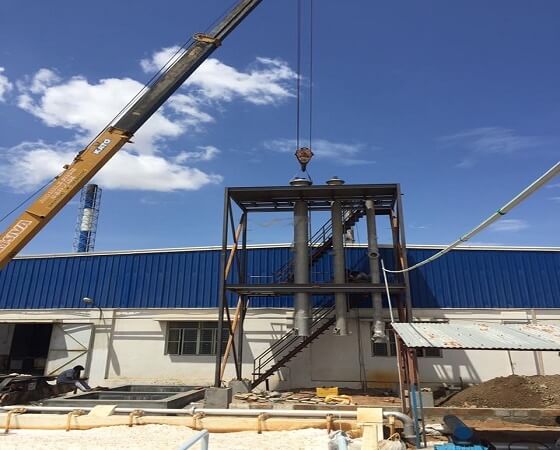
The multiple-effect evaporator was invented by an African-American inventor and engineer Norbert Rillieux. Although he may have designed the apparatus during the 1820s and constructed a prototype in 1834, he did not build the first industrially practical evaporator until 1845. Originally designed for concentrating Sugar in Sugar Cane juice, it has since become widely used in all industrial applications where large volumes of water must be evaporated, such as Salt production and water Desalination.